Dunedin Homes Ranked by Hidden Carpet Contamination Levels
Dunedin is known for its character, unique architecture, and a climate that often calls for soft flooring underfoot. But beneath that comfort, carpets slowly accumulate a surprising level of hidden contamination.
A recent analysis of homes across Dunedin shows how easily carpets can trap allergens, moisture, and airborne pollutants. In a city where damp conditions are common, this buildup tends to occur faster and linger longer than many homeowners expect.
Here’s how to create a healthier, more breathable living environment.
How Carpets Become Contamination Sources
Carpets act as filters within your home, collecting particles that would otherwise remain airborne. Over time, this function becomes a liability if not properly managed.
One of the most common contributors is dust mites. These microscopic organisms thrive in warm, slightly humid conditions and feed on shed skin cells. Their presence is strongly linked to allergic reactions and respiratory irritation.
Pet dander is another major factor, particularly in family homes. Hair, skin flakes, and outdoor debris carried in on paws can settle deep into carpet fibres. At that point, removing them through surface cleaning alone wouldn’t be that easy.
Everyday spills also play a role. Liquids that are not properly cleaned can seep into the carpet base, encouraging bacterial growth and, in damp conditions, mould development. This is especially relevant in Dunedin, where moisture retention is a persistent challenge.
External pollutants further add to the problem. Dirt, pollen, and even fine particles from vehicle emissions can be tracked indoors and embedded into carpets over time.
Without consistent cleaning, these contaminants accumulate, gradually affecting both hygiene and air quality.
Health Risks Linked to Contaminated Carpets
The impact of contaminated carpets goes beyond cleanliness—it directly affects indoor air quality and overall health.
As carpets become saturated with dust, allergens, and microorganisms, everyday movement can release these particles back into the air. This continuous cycle of resuspension increases exposure, particularly in enclosed spaces.
For individuals with asthma or allergies, this can lead to persistent symptoms such as coughing, congestion, and irritation. Dust mites are a key trigger, while mould spores—common in damp environments—pose an additional risk when carpets retain moisture.
There is also growing awareness of how environmental factors contribute to overall well-being. In households already dealing with health issues, poor indoor air quality can intensify discomfort and reduce the sense of rest and recovery at home.
Homes Ranked by Contamination from Worst to Best
Based on observed cleaning habits, moisture exposure, carpet type, and overall household activity, Dunedin homes can generally be grouped into different levels of hidden carpet contamination.
High Contamination Homes
At the highest end of the scale are homes where carpet contamination is most pronounced. These households typically share a combination of infrequent vacuuming, high indoor moisture levels, and limited ventilation.
Carpets in these environments are often thick or high-pile, which makes them more likely to trap dust, pet dander, and everyday debris.
In many cases, pets are part of the household, but grooming and cleaning routines are not consistent enough to prevent buildup. Over time, this creates an environment where allergens such as dust mites and microscopic particles accumulate deep within the fibres.
Moderate Contamination Homes
Most homes in Dunedin fall into a moderate category, where some level of cleaning routine exists but is not always consistent.
Vacuuming may be done weekly, but deep cleaning is usually infrequent, allowing fine dust and allergens to slowly settle between maintenance cycles. These homes often have a mix of carpet types and exposure levels, depending on room usage.
While the carpets may appear clean on the surface, contaminants gradually build up over time, particularly in high-traffic areas such as hallways and living rooms. Ventilation is present in many cases, but seasonal moisture still contributes to slow accumulation within carpet fibres.
The result is a space that feels generally clean, but may still contribute to mild allergy symptoms or reduced air freshness indoors.
Low Contamination Homes
Homes in the low contamination category show a more consistent and structured approach to carpet care.
Regular vacuuming is a key feature here, often carried out more than once a week, particularly in busy households. Some form of deeper cleaning is also carried out periodically, whether through steam cleaning or professional services.
These homes often use HEPA-filter vacuums, which help reduce airborne particles rather than simply redistributing them. Better airflow and moisture control also play an important role in limiting the conditions that allow dust mites and mould to develop.
As a result, carpets in these homes retain less embedded debris, and indoor air quality tends to feel noticeably fresher and more stable over time.
See also: Exploring the Future of Smart Homes and IoT Devices
Cleanest Homes
At the top of the scale are homes where carpet contamination is minimal. These households tend to take a preventative approach rather than a reactive one.
Regular deep cleaning is combined with frequent vacuuming, and indoor habits such as removing shoes at the door help significantly reduce the introduction of external dirt.
Carpet selection also plays a role, with many opting for lower-pile or less absorbent materials that are easier to maintain in the long term. Good ventilation and controlled indoor humidity further reduce the risk of moisture retention within carpet fibres.
In these homes, carpets continue to serve their intended purpose—adding comfort and warmth—without becoming a hidden source of allergens or bacteria.
Effective Carpet Cleaning Techniques
Maintaining a clean carpet requires a combination of routine care and periodic deep cleaning.
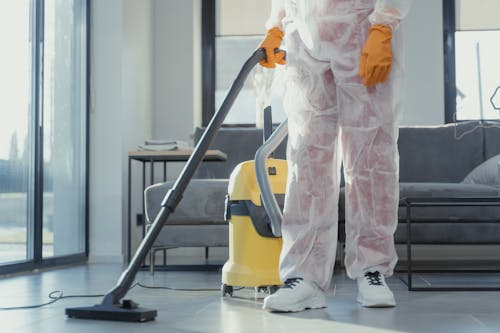
Vacuuming at least once a week helps remove surface debris before it settles deeper into the fibres. In high-traffic areas, more frequent cleaning may be necessary to keep buildup under control.
Steam cleaning remains one of the most effective methods for deeper sanitation. By using heat and moisture, it breaks down embedded dirt, bacteria, and allergens that standard vacuuming cannot reach.
For everyday spills, prompt action is essential. Blotting rather than rubbing prevents stains from spreading, while appropriate cleaning solutions help lift residue without damaging the fibres.
Even items like outdoor gear can introduce unexpected dirt into the home, reinforcing the importance of consistent maintenance both inside and at entry points.
Simple solutions such as using household ingredients—like baking soda and vinegar—can be effective for minor stains. Rotating furniture periodically helps distribute wear more evenly, preventing premature damage in specific areas.
At the same time, occasional professional cleaning remains a worthwhile investment. A reputable carpet cleaner in Dunedin ensures deeper issues are addressed before they become costly problems.
Conclusion
What this study makes clear is that carpet hygiene is not determined by one factor alone, but by a combination of habits, materials, and environmental conditions. The homes with the best outcomes are those that adopt a consistent, informed approach to maintenance.
A cleaner carpet, in this context, is not just a finishing touch—it’s part of a healthier home from the ground up.