Innovations Driving the Modern Manufacturing Industry
The manufacturing industry has undergone significant transformations over the past few decades, evolving from traditional production methods to highly sophisticated, technology-driven processes. Today, manufacturers across various sectors are embracing automation, digitalization, and sustainability to meet growing consumer demands while maintaining efficiency and quality. Among the many facets of manufacturing, the apparel sector stands out for its adaptability and responsiveness, driven by global trends and technological advancements.
The Evolution of Apparel Manufacturing
Apparel production has come a long way from its origins in small-scale workshops and manual labor. Modern clothing manufacturers now operate with cutting-edge machinery, digital pattern-making software, and advanced textile technologies. These innovations allow for higher precision, reduced production times, and improved consistency across product lines.
In addition, clothing manufacturers are increasingly adopting flexible production models. Fast fashion, custom clothing, and limited-edition collections require rapid turnaround times and agile manufacturing practices. By leveraging technology, manufacturers can respond quickly to market trends, ensuring that retailers and brands can meet consumer demands without compromising quality.
Technology Integration in Manufacturing
The integration of technology has been a key driver of efficiency and innovation in manufacturing. Advanced machinery, robotics, and computer-aided design (CAD) systems allow for precise cutting, stitching, and assembly of garments. This not only improves product quality but also reduces waste and optimizes resource utilization.
For clothing manufacturers, digital tools such as 3D prototyping and virtual fittings are transforming the product development process. Designers can visualize garments in virtual environments, make adjustments, and test clothing manufacturers designs before physical production begins. This reduces material costs, minimizes errors, and accelerates the launch of new collections.
Sustainability and Ethical Practices
Sustainability has become a central focus in modern manufacturing. Consumers are increasingly aware of the environmental and social impact of their purchases, prompting clothing manufacturers to adopt eco-friendly practices. These include using sustainable fabrics, reducing water and energy consumption, and implementing ethical labor standards.
Manufacturers are also exploring innovative materials, such as recycled fibers, organic cotton, and biodegradable textiles. By prioritizing sustainability, clothing manufacturers not only meet regulatory requirements but also appeal to a growing segment of environmentally conscious consumers.
Automation and Efficiency
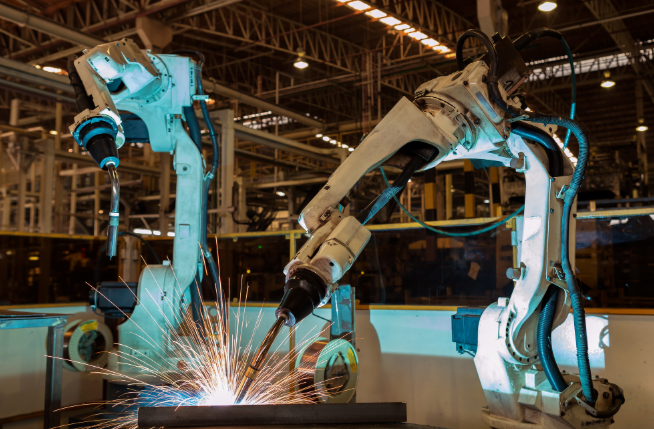
Automation is revolutionizing the manufacturing sector, enabling companies to increase productivity while maintaining high standards of quality. Robotics and automated machinery handle repetitive tasks such as cutting, sewing, and packaging, freeing human workers to focus on creative and complex processes.
For clothing manufacturers, automation ensures consistent stitching, accurate sizing, and faster production times. Automated quality control systems can detect defects early in the process, reducing waste and ensuring that garments meet brand standards. This combination of speed and precision is particularly valuable in the fast-paced fashion industry.
Global Supply Chain Management
Effective supply chain management is critical for modern manufacturing. Clothing manufacturers often source materials from multiple countries and distribute products to global markets. Efficient coordination, logistics, and inventory management are essential to avoid delays and maintain cost-effectiveness.
Technology plays a crucial role in supply chain optimization. Manufacturers use advanced software for inventory tracking, demand forecasting, and shipment scheduling. Real-time data allows companies to respond quickly to fluctuations in demand, manage resources efficiently, and ensure timely delivery of products to retailers and consumers.
See also: WhatsApp Web Version Login and Telegram Chinese for Laptop Usage
Customization and Market Responsiveness
Consumer expectations are shifting towards personalized and unique products. Clothing manufacturers are increasingly offering customization options, such as made-to-measure garments, bespoke designs, and limited-edition releases. This trend requires flexible manufacturing processes that can adapt quickly to individual orders without compromising efficiency.
By leveraging digital printing, automated cutting systems, and modular production lines, clothing manufacturers can provide tailored solutions to clients. This responsiveness strengthens brand loyalty, attracts niche markets, and enhances competitiveness in the global fashion industry.
Quality Assurance and Compliance
Quality assurance is a cornerstone of successful manufacturing. Clothing manufacturers implement strict quality control protocols to ensure that products meet both industry standards and brand expectations. This includes inspections at multiple stages of production, material testing, and compliance with safety regulations.
Compliance with labor laws and environmental standards is equally important. Ethical practices in manufacturing not only prevent legal issues but also build trust with consumers who value socially responsible brands. Modern manufacturers balance efficiency, cost, and compliance to deliver high-quality garments that meet the expectations of both businesses and consumers.
The Role of Innovation in Competitiveness
Innovation is essential for clothing manufacturers to remain competitive in an ever-changing market. This includes adopting new materials, experimenting with sustainable production methods, and leveraging digital technologies for design and manufacturing. Companies that innovate effectively can reduce costs, improve product quality, and respond rapidly to fashion trends.
For example, 3D knitting machines allow for seamless garment production, reducing material waste and labor requirements. Similarly, AI-driven design tools analyze consumer preferences to guide the creation of new styles, enabling manufacturers to align products with market demand more accurately.
Future Prospects for the Apparel Industry
The future of manufacturing, particularly in the apparel sector, is likely to be shaped by continued technological advancement, sustainability, and market agility. Clothing manufacturers that invest in smart factories, automation, and digital supply chain management will be better positioned to meet the demands of both retailers and consumers.
Emerging trends such as wearable technology, smart fabrics, and on-demand production offer new opportunities for growth and innovation. By integrating technology, sustainability, and responsiveness into their operations, clothing manufacturers can create a resilient and competitive business model for the future.
Conclusion
The manufacturing industry is evolving at an unprecedented pace, driven by technology, sustainability, and consumer expectations. Clothing manufacturers exemplify these changes by adopting advanced machinery, digital tools, and flexible production methods to deliver high-quality, efficient, and responsive services.
From automation and quality control to supply chain optimization and sustainable practices, modern manufacturers are redefining the standards of production. By embracing innovation and adapting to market trends, clothing manufacturers continue to play a vital role in shaping the future of the apparel industry, ensuring that consumers and businesses alike enjoy high-quality, ethically produced garments.