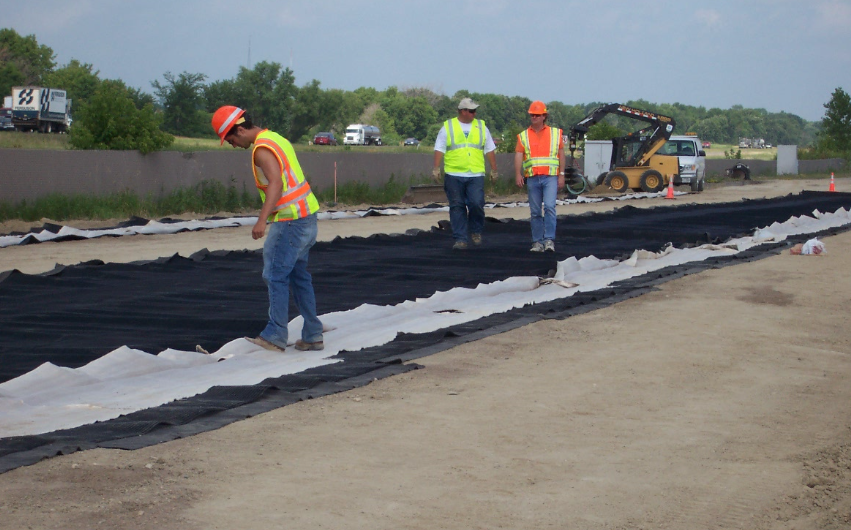
Geosynthetic Materials: Applications, Types, and Benefits in Construction
Introduction to geosynthetic materials
Geosynthetic materials are engineered synthetic products used in civil engineering and construction to improve soil performance, control erosion, and manage water flow. These materials include geotextiles, geomembranes, geogrids, geonets, and geofoam. By reinforcing soil and providing filtration, separation, or containment, geosynthetics enhance the durability and sustainability of infrastructure projects.
They are commonly applied in roads, highways, landfills, retaining walls, drainage systems, and environmental projects. Understanding geosynthetic materials is crucial for efficient design and long-lasting construction.
What Are Geosynthetic Materials?
Geosynthetic materials are synthetic products made from polymers such as polypropylene, polyester, or polyethylene. They are used to improve soil performance and provide engineering functions such as:
- Separation of soil layers
- Filtration of fine particles
- Reinforcement of subgrade
- Drainage support
- Containment of liquids
By performing these functions, geosynthetics reduce maintenance costs, increase structural stability, and improve water management in civil engineering projects.
See also: The Smart Business Owner’s Guide to Air Conditioning Compliance
Types of Geosynthetic Materials
Geotextiles
- Permeable fabrics made from woven or nonwoven fibers
- Used for soil separation, filtration, and drainage
- Common in roads, retaining walls, and drainage systems
Geomembranes
- Impermeable liners made from HDPE, LDPE, or PVC
- Prevent leakage and contain liquids in landfills, ponds, and reservoirs
Geogrids
- Grid-like structures providing tensile reinforcement
- Improve load distribution in embankments, retaining walls, and road bases
Geonets and Geocomposites
- Geonets: open-net structures facilitating drainage
- Geocomposites: combinations of geotextiles, geogrids, or geonets for specialized functions
Geofoam
- Lightweight expanded polystyrene blocks
- Used for void filling, slope stabilization, and reducing settlement
Applications of Geosynthetic Materials
Road and Highway Construction
Geosynthetics separate subgrade soil from aggregates, reinforce pavement layers, and improve load distribution, extending the lifespan of roads.
Retaining Walls and Embankments
Geogrids and geotextiles reinforce soil, prevent erosion, and maintain structural stability of walls and slopes.
Landfills and Environmental Projects
Geomembranes serve as impermeable liners, while geotextiles filter drainage layers. Geosynthetics prevent contamination and support leachate management.
Drainage Systems
Geonets and geosynthetic materials enhance water flow, prevent soil clogging, and maintain efficient drainage behind walls or beneath pavements.
Erosion Control and Coastal Protection
Geotextiles and geogrids stabilize slopes, protect shorelines, and prevent soil washout under riprap or gabions.
Advantages of Using Geosynthetic Materials
- Enhance soil stability and structural integrity
- Improve water drainage and filtration
- Provide cost-effective and durable solutions
- Reduce material requirements
- Support sustainable and environmentally responsible construction
Design and Installation Considerations
Material Selection
Choose the appropriate geosynthetic type based on soil conditions, hydraulic requirements, and project specifications.
Proper Installation
- Ensure subgrade is level and free from sharp objects
- Overlap seams and joints according to manufacturer guidelines
- Protect geosynthetics during installation to prevent damage
Maintenance
Regular inspection and maintenance of drainage systems, liners, and reinforcement structures help ensure long-term performance.
Contribution to Sustainable Infrastructure
Geosynthetic materials support sustainable construction by:
- Reducing soil erosion and sediment loss
- Preventing contamination of water bodies
- Minimizing maintenance and repair costs
- Extending the lifespan of infrastructure
Conclusion
Geosynthetic materials are versatile and essential for modern civil engineering projects. Their functions—filtration, separation, reinforcement, drainage, and containment—enhance structural stability, reduce maintenance costs, and support sustainable infrastructure.
Proper selection, design, and installation of geosynthetics allow engineers to create durable, cost-effective, and environmentally responsible construction solutions.
Frequently Asked Questions
What are geosynthetic materials used for?
They are used for soil stabilization, filtration, drainage, reinforcement, and containment in civil engineering projects.
What types of geosynthetic materials exist?
Geotextiles, geomembranes, geogrids, geonets, geocomposites, and geofoam are common types.
Can geosynthetics improve road durability?
Yes, they separate soil layers, reinforce pavements, and improve load distribution, extending road lifespan.
Are geosynthetics environmentally friendly?
Yes, they prevent soil erosion, control water flow, and minimize contamination risks.
How long do geosynthetic materials last?
With proper installation and protection, most geosynthetics can last several decades.