Building Smarter Homes: How Timber and Design Standards Are Shaping Modern Construction
The way homes are designed and built has changed significantly over the past decade. Homeowners are no longer satisfied with structures that simply meet basic needs—they expect durability, efficiency, and visual appeal to come together seamlessly. This shift has placed greater emphasis on materials and construction methods that can support both performance and design innovation.
Timber has emerged as one of the most versatile materials in this evolving landscape. When combined with modern building standards and thoughtful planning, it allows for homes that are not only structurally sound but also visually refined and adaptable to changing lifestyles.
The Role of Standards in Modern Construction
Construction today is guided by a growing set of standards aimed at improving safety, efficiency, and sustainability. Organizations such as building and construction standards authorities provide frameworks that help ensure consistency and quality across projects.
These standards influence everything from material selection to structural design. They encourage builders to adopt practices that reduce risk while improving long-term performance. For timber-based construction, this means applying techniques that enhance durability and structural reliability.
By aligning with these guidelines, builders can deliver projects that meet both regulatory requirements and client expectations.
Why Timber Fits the Future of Housing
Adaptability Across Design Styles
Timber’s flexibility allows it to be used in a wide range of architectural styles, from traditional homes to contemporary builds. It can serve as a primary structural material or as a complementary element that enhances other materials.
This adaptability makes it easier for designers to experiment with layouts and finishes without compromising structural integrity. As a result, timber supports creative freedom while maintaining reliability.
Efficiency in Construction
One of timber’s most practical advantages is its ease of use. It can be cut, shaped, and assembled with relative efficiency, reducing construction time and labor costs. Prefabrication techniques further enhance this efficiency, allowing components to be prepared off-site and installed quickly.
This streamlined process helps builders stay on schedule while maintaining high standards of quality.
Designing Roof Structures That Perform and Impress
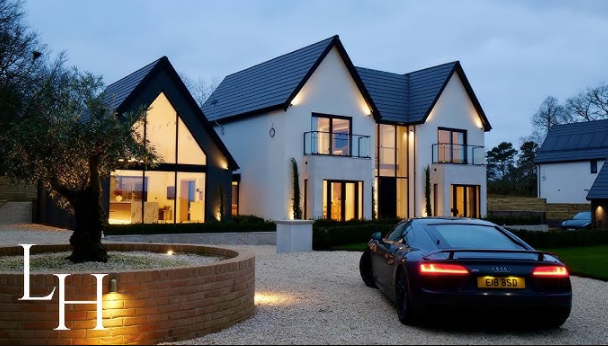
The roof is one of the most critical elements of any home. It must protect the structure while also contributing to its overall design. Timber plays a key role in achieving this balance, offering strength and flexibility for various roofing systems.
Homeowners exploring options can benefit from resources like guidance on selecting the right roofing solution, which highlight how material choices impact both performance and aesthetics. Timber frameworks provide the support needed for these systems while allowing for creative design features such as pitched roofs or exposed beams.
This combination of functionality and visual appeal makes timber an ideal choice for modern roofing applications.
Collaborating with Experienced Construction Teams
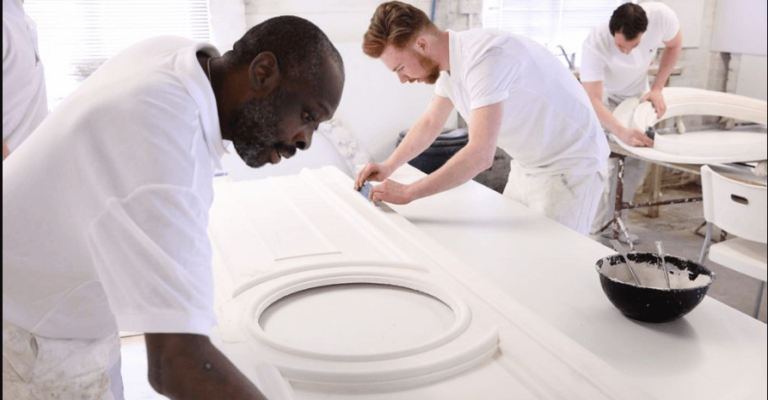
Even the best materials require skilled execution to achieve their full potential. Timber construction, in particular, benefits from expertise in both design and installation. Professionals who understand how to work with wood can ensure that each component is properly integrated into the overall structure.
Projects guided by specialists associated with Tar River demonstrate how experience translates into quality results. Their approach focuses on aligning design intent with practical construction methods, ensuring that every detail contributes to the final outcome.
This level of collaboration reduces the likelihood of errors and helps create homes that are both durable and visually cohesive.
Balancing Aesthetics with Structural Integrity
Modern construction often requires a careful balance between visual design and structural performance. Timber supports this balance by offering a material that is both strong and visually appealing. It can be used to create striking architectural features without compromising stability.
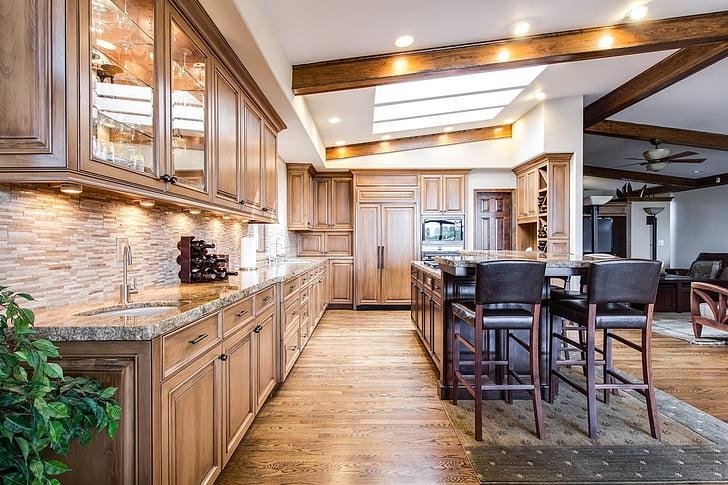
For example, exposed wooden beams can serve as both structural supports and design elements. Similarly, timber cladding can enhance a home’s exterior while providing protection against environmental factors.
This dual functionality makes timber a valuable asset in projects that aim to combine beauty with practicality.
Sustainability and Long-Term Value
Sustainability has become a key consideration in construction, influencing decisions at every stage of a project. Timber, when sourced responsibly, offers a renewable option that aligns with environmentally conscious building practices.
Beyond its environmental benefits, timber also provides long-term value. Its durability and ability to age gracefully reduce the need for frequent replacements, making it a cost-effective choice over time.
These advantages make timber an appealing option for homeowners and developers who are looking to invest in sustainable, high-quality construction.
See also: Homeowners: What to Ask When Hiring a Plumber in Aurora
Adapting to Changing Lifestyle Needs
Homes are no longer static spaces—they must adapt to changing lifestyles and preferences. Timber supports this adaptability by allowing for modifications and extensions without extensive structural changes.
Whether it’s adding new rooms, reconfiguring layouts, or updating design elements, timber structures can accommodate these changes with relative ease. This flexibility ensures that homes remain functional and relevant as needs evolve.
In a world where adaptability is increasingly important, timber offers a practical solution.
Conclusion
Modern construction is defined by the need to balance performance, design, and sustainability. Timber, supported by established building standards and skilled craftsmanship, provides a material that meets all these requirements.
By integrating thoughtful design, reliable construction practices, and high-quality materials, it becomes possible to create homes that are both efficient and visually compelling. Timber continues to play a central role in this process, shaping spaces that reflect the evolving demands of modern living.