How Digital Payments Are Redefining Modern Transportation Systems
Introduction
Transportation systems are no longer defined solely by roads, railways, or vehicles. In today’s digital era, the way people pay for mobility plays an equally important role in shaping travel experiences. From buses and metro systems to ride-hailing and micro-mobility services, cashless payments have become a central part of daily commuting. As cities strive to improve efficiency, safety, and convenience, digital payment solutions are helping transportation networks adapt to modern expectations and lifestyles.
The Rise of Cashless Mobility
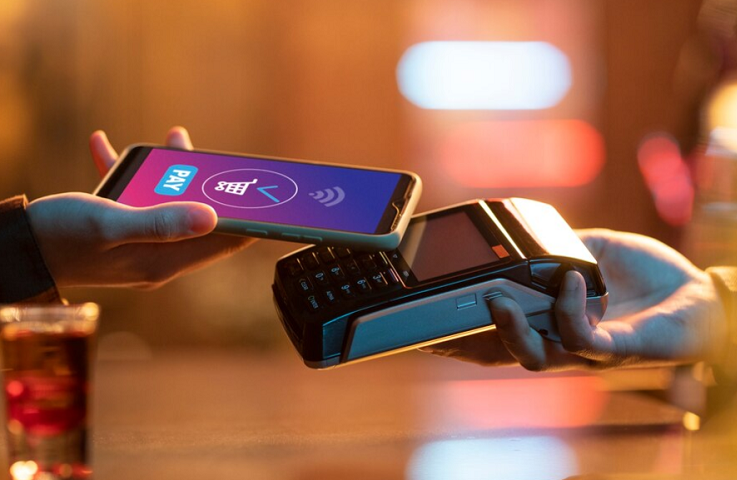
Over the past decade, transportation has undergone a major transformation. Traditional cash-based fare systems are steadily being replaced by e wallet hong kong contactless and mobile payment options. This shift is driven by growing smartphone usage, faster internet connectivity, and the demand for seamless travel experiences.
Cashless mobility allows commuters to move through transport systems without delays caused by ticket queues or manual fare collection. It also reduces operational costs for service providers by minimizing cash handling and administrative burdens. As a result, digital payments are becoming a standard feature rather than an added convenience.
Digital Wallets in Everyday Travel
A digital wallet enables users to store payment details securely and complete transactions using a mobile device or smart card. In transportation, this technology simplifies fare payments across multiple modes of travel. Whether boarding a bus, entering a subway station, or paying for parking, users can complete transactions quickly and efficiently.
In busy metropolitan environments, such systems help reduce congestion at entry points and improve passenger flow. The e wallet hong kong model, for example, reflects how dense urban regions benefit from integrated digital payment solutions that support high daily passenger volumes.
Improving User Experience and Convenience
One of the most noticeable impacts of digital wallets in transportation is improved user experience. Commuters no longer need to carry exact change, purchase physical tickets, or manage multiple travel cards. A single payment solution allows them to access various transport services with minimal effort.
Features such as transaction history, balance tracking, and instant notifications give users greater control over their spending and travel habits. For tourists and occasional travelers, digital wallets eliminate confusion and make navigating unfamiliar transport systems much easier.
Supporting Multi-Modal Transportation Networks
Modern cities encourage the use of multiple transportation modes to reduce congestion and emissions. Digital wallets support this approach by enabling seamless transitions between buses, trains, ferries, bike-sharing, and ride-hailing services.
When payments are unified under one system, commuters are more likely to combine different travel options within a single journey. This flexibility supports smarter travel choices and promotes more efficient use of available transport infrastructure.
Enhancing Operational Efficiency for Providers
Transportation authorities and service providers also gain significant advantages from adopting digital payment systems. Automated fare collection reduces human error and speeds up transaction processing. Real-time data from digital payments helps operators understand passenger demand, peak hours, and route performance.
This data-driven insight enables better planning, optimized scheduling, and improved resource allocation. Over time, these efficiencies lead to more reliable services and higher passenger satisfaction.
Security and Reliability in Digital Transactions
Security is a critical factor in public transportation systems, where millions of transactions occur daily. Modern digital wallets are built with strong security measures, including encryption, authentication protocols, and fraud monitoring.
These protections help ensure that user data and financial information remain safe. As people become more confident in the reliability of digital payment systems, adoption rates continue to rise. Trust in payment technology directly influences how comfortable users feel relying on cashless transport solutions.
See also: Driving Industrial Efficiency with Advanced Motor Technology
Accessibility and Inclusion in Urban Transport
Digital wallets also play an important role in making transportation more accessible. Many systems offer prepaid options or simplified registration processes, allowing individuals without traditional banking access to participate. This inclusivity ensures that digital transformation does not exclude vulnerable or underserved populations.
By offering multiple ways to fund and use a digital wallet, transportation systems can cater to diverse user needs, including students, seniors, and low-income commuters.
Environmental and Sustainability Benefits
The shift toward cashless payments contributes to sustainability goals in several ways. Reducing paper tickets and plastic cards lowers material waste. Faster boarding times and smoother passenger flow help decrease vehicle idle time, which can reduce fuel consumption and emissions.
Encouraging the use of public and shared transportation through convenient payment options also supports broader environmental objectives. When transport systems are easy to use, people are more likely to choose them over private vehicles.
Challenges and Future Outlook
Despite its many benefits, implementing digital wallet systems in transportation presents challenges. Infrastructure upgrades, system integration, and public education require careful planning and investment. Some users may also be hesitant to adopt new technologies due to privacy concerns or lack of familiarity.
However, ongoing innovation continues to address these issues. User-friendly interfaces, improved customer support, and transparent policies are helping build confidence. In the future, digital wallets may integrate advanced features such as biometric verification, cross-border payments, and deeper connections with other urban services.
Conclusion
Digital payment solutions have become a cornerstone of modern transportation systems. By enhancing convenience, improving efficiency, and supporting sustainable mobility, they are reshaping how people move within cities. The growing adoption of models like e wallet hong kong demonstrates how digital wallets can successfully support complex, high-demand transport networks. As technology continues to evolve, digital payments will remain a key driver in creating smarter, more inclusive, and more efficient transportation ecosystems.