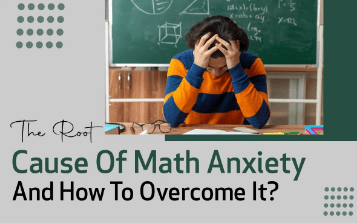
Math Anxiety Is Real Here’s How to Overcome It
Introduction – Math Anxiety Affects Everyone
Math anxiety is a real phenomenon that affects students, professionals, and adults in everyday life. It is an emotional response of fear, tension, or nervousness when faced with numbers, calculations, or problem-solving tasks. Many people avoid situations involving math, which can impact education, career choices, and even financial decisions.
Despite being common, math anxiety is manageable. Recognizing its presence is the first step toward reducing its negative effects. Understanding that these feelings are normal allows you to approach numbers with curiosity instead of fear.
This article explores strategies to overcome math anxiety using mindset shifts, step-by-step practice, and practical tools.
Recognizing the Signs – From Panic to Avoidance
Math anxiety often manifests through both physical and emotional symptoms. Common signs include increased heart rate, sweating, shallow breathing, or a feeling of panic when confronted with calculations. Emotionally, it may appear as frustration, self-doubt, or avoidance of math-related tasks.
Behavioral signs are equally important. People may skip budgeting, delay financial decisions, or avoid subjects involving math entirely. Recognizing these symptoms early allows you to take proactive steps before anxiety limits your personal or professional growth.
By understanding how math anxiety shows up, you gain insight into the patterns that block confidence and can begin addressing them with targeted strategies.
Cognitive Reframing – Change Your Mindset
Changing your mindset is key to reducing math anxiety. Cognitive reframing involves viewing challenges as opportunities to learn rather than threats. Adopting a growth mindset transforms mistakes into learning experiences and reduces fear.
For example, instead of thinking “I’m bad at math,” reframe it as “I can improve with practice.” This simple shift decreases stress, boosts confidence, and encourages engagement with numerical tasks. Mindset is the foundation for building lasting mathematical skills.
Combining mindset changes with practice and supportive tools empowers you to gradually overcome anxiety and approach numbers with confidence.
Step-by-Step Practice – Small Wins Build Confidence
Gradual, consistent practice is one of the most effective ways to overcome math anxiety. Start with simple exercises for 5–10 minutes daily, then gradually increase difficulty as your confidence grows. Each small success reinforces the belief that you can handle numbers effectively.
For instance, solving basic arithmetic problems, calculating percentages, or working through simple word problems creates repeated positive experiences. These “small wins” build self-efficacy, reduce fear, and make larger challenges feel manageable over time.
By committing to incremental practice, you turn math from a source of stress into a skill you can master step by step.
Use Tools and Resources – Calculators, Apps, and Tutors
Using supportive tools removes unnecessary stress and allows you to focus on learning rather than errors. Calculators, apps, and tutoring services simplify calculations and provide step-by-step guidance. These resources make math approachable, even for those who struggle with anxiety.
For example, CalculatorPoint.net offers easy-to-use calculators for percentages, ratios, and everyday math, helping you solve problems quickly and confidently. Using tools like this reduces fear of mistakes and builds comfort with numbers.
Leveraging available resources is not a shortcut – it’s a strategy that reinforces learning, boosts confidence, and allows you to gradually tackle more complex mathematical challenges.
See also: Your Digital Nature Archive: A Guide to Saving YouTube Shorts
Relaxation and Mindfulness – Reduce Physical Symptoms
Math anxiety often triggers physical responses like rapid heartbeat, shallow breathing, or muscle tension. Mindfulness techniques, deep breathing, and short relaxation exercises help calm the body and mind before tackling math tasks.
For example, take a few deep breaths before starting calculations, or visualize successfully solving problems. These simple practices reduce stress, improve focus, and enhance problem-solving performance.
By combining mindfulness with practice and tools, you create a supportive environment for learning. Relaxation techniques empower you to approach math calmly, improving both accuracy and confidence.
Real-Life Applications – Seeing Numbers in Context
Applying math to everyday situations helps reduce anxiety by making numbers relevant and practical. Budgeting, shopping discounts, cooking measurements, or tracking personal goals are opportunities to see math in action. Understanding its usefulness transforms math from a source of stress into a tool for problem-solving.
For instance, calculating a grocery discount or splitting a restaurant bill provides immediate feedback and satisfaction. Students and learners can also benefit from specialized tools, like those described in the educational calculators for students, which make both math and physics exercises more approachable and engaging.
Real-life applications demonstrate that math is not just abstract theory – it is a practical skill that improves everyday decision-making.
Social Support – Learning With Others
Working with peers, mentors, or study groups reduces math anxiety significantly. Collaborative learning provides encouragement, different perspectives, and shared strategies, making challenges easier to tackle. Support networks normalize mistakes and promote confidence.
For example, joining a math study group or discussing problem-solving techniques with friends allows you to see that struggles are common and surmountable. Social support also motivates consistent practice and reinforces positive attitudes toward numbers.
By learning with others, you transform math from an isolating experience into a collaborative and confidence-building activity.
Track Progress – Celebrate Improvement
Monitoring improvement builds motivation and confidence. Track exercises completed, skills mastered, or problems solved to visualize growth over time. Seeing tangible progress helps reduce anxiety by demonstrating that abilities are increasing.
Simple tracking can include a checklist of problems solved, a log of daily practice, or a record of successfully applied calculations in real-life situations. Celebrating these milestones reinforces a sense of achievement and encourages continued learning.
Regularly reviewing progress shows that math skills are attainable and helps maintain a positive, proactive approach to learning.
Conclusion – Overcoming Math Anxiety Is Possible
Math anxiety is common, but it does not have to limit your potential. By recognizing signs, reframing your mindset, practicing incrementally, using supportive tools, and applying relaxation techniques, you can build confidence and mastery over numbers.
Resources make calculations easier and reduce stress, while social support and tracking progress reinforce learning. Combining these strategies empowers you to approach math with calm, competence, and confidence.
Overcoming math anxiety is a gradual process, but with consistent effort, every individual can develop the skills and confidence needed to handle numbers effectively in daily life.