Commercial Deep Cleaning vs Regular Cleaning: Understanding the Difference
You pay for cleaning services every week. Your office looks tidy. Bins get emptied, floors get mopped, and desks get wiped down. So why would anyone need commercial deep cleaning services? Here’s the problem: what looks clean isn’t always clean.
What Regular Cleaning Actually Does?
Daily cleaning targets include dirt and routine upkeep. Cleaners vacuum the floors, clean out the waste bins, wipe down surfaces, and clean the toilets. They go through a checklist aimed at keeping your work area looking tidy between commercial deep cleaning services, which provide more thorough and intensive cleaning on a periodic basis.
It’s like maintenance. Your cleaning crew works on the same spots over and over, so dirt does not accumulate. They clean away surface dirt, dust, and trash. The goal is consistency and appearance.
Most businesses schedule regular cleaning daily or several times per week. The frequency depends on foot traffic, workspace type, and budget. A busy office needs more attention than a quiet studio space.
But regular cleaning has limits. Cleaners work quickly through set tasks. They don’t move furniture, scrub grout lines, or clean inside ventilation systems. These jobs take too much time for a daily routine.
The Hidden World Deep Cleaning Targets
Deep cleaning goes where regular cleaning can’t or won’t go.
It targets the accumulated grime in carpet fibres, the bacterial colonies growing in air ducts, and the allergens trapped behind equipment. These contaminants build up slowly, invisible to the naked eye, creating health risks that surface cleaning never touches.
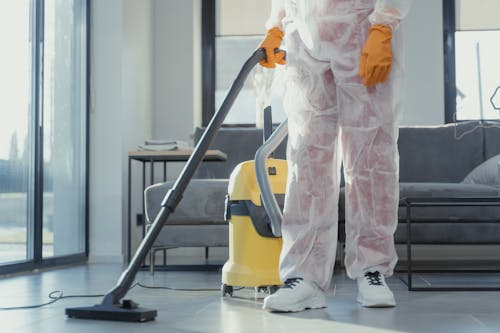
Professional deep cleaning involves moving furniture to access hidden areas. Cleaners scrub tile grout, sanitise behind appliances, and clean light fixtures. They use specialist equipment like steam cleaners, extraction machines, and high-filtration vacuums.
The process takes longer. Where regular cleaning might take two hours, deep cleaning the same space could take eight hours or more. The intensity and attention to detail differ completely.
Deep cleaning happens less frequently, typically every 3-6 months, depending on the workspace. But when it happens, it addresses problems that regular cleaning lets accumulate.
See also: Best AI Tools for image to video and AI Talking Photo in 2025
Where Regular Cleaning Falls Short
Your regular cleaners probably do a decent job. But they’re not equipped or scheduled to handle everything.
Carpets are a prime example. Daily vacuuming removes surface dirt. But allergens, dust mites, bacteria, and absorbed liquids sit deeper in the pile. The British Allergy Foundation notes that carpets can harbour up to 200,000 bacteria per square inch. Vacuuming doesn’t touch that.
Air quality tells another story. The Health and Safety Executive reports that poor indoor air quality affects productivity and health. Regular dusting helps, but it doesn’t clean ventilation systems where mould, dust, and debris accumulate. Every time your heating or cooling runs, it circulates contaminated air.
Kitchens and break rooms develop hidden grease buildup. Regular wiping handles what you see on counters. But grease accumulates behind appliances, inside extraction fans, and on upper surfaces. Over time, this becomes a fire hazard and hygiene problem.
Bathrooms present similar issues. Daily cleaning keeps them functional. But grout lines, behind-toilet areas, and drain systems need periodic deep sanitation that goes beyond surface-level mopping.
When Each Type Makes Sense
All businesses require both types of cleaning, just at different rates.
Daily cleaning suffices for everyday maintenance. Apply it to maintain presentable high-traffic areas, avoid rubbish buildup, and uphold minimum standards of hygiene. This must occur every day or a few times a week, according to your facility.
Deep cleaning accommodates a quarterly or biannual routine. Book it when you notice declining air quality, visible grime in hard-to-reach spots, or carpet discolouration. Also, schedule it before inspections, after renovations, or following illness outbreaks.
Some businesses need deep cleaning more often. Medical facilities, food service operations, and childcare centres face stricter hygiene requirements. The Workplace (Health, Safety and Welfare) Regulations 1992 mandate clean working environments, and deep cleaning helps meet those standards.
The Real Impact on Your Business
Deep cleaning addresses the hidden factors that regular cleaning misses.
Clients form impressions quickly. They might not consciously notice clean air vents or fresh-smelling carpets. But they definitely notice when these things are absent. A truly clean workspace projects professionalism and attention to detail.
Making the Right Choice
One keeps things acceptable day to day. The other prevents long-term deterioration and health hazards. Most businesses underestimate how much contamination builds up in supposedly clean spaces. They rely entirely on regular cleaning and wonder why carpets look dingy, air quality drops, or staff complaints increase.
The solution isn’t cleaning more often. It’s cleaning more thoroughly when it matters.
Think about your workspace right now. When did someone last clean behind your office equipment? Inside the ventilation ducts? Deep into your carpet padding? If you can’t answer, you’re probably overdue.
Final Thoughts
Commercial deep cleaning services aren’t a luxury or upselling tactic. They’re maintenance that regular cleaning can’t provide. The difference between the two approaches could be the difference between a workspace that functions and one that fails.
Your business deserves both. Your employees deserve both. The question is whether you’ll wait for problems to appear or prevent them before they start.